
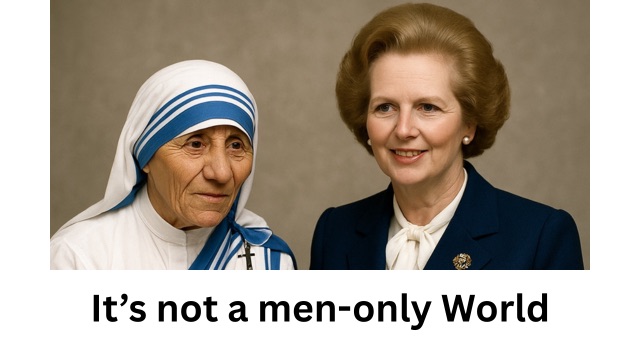
It is not a men-only world, the author of this article reflected on a popular or unpopular belief that this is a male-dominating society and instantly rejected this notion to believe, and said, It’s not a man-only world.
I refuse to accept this.
First things first, since Adam landed on earth (if you believe this route), it is women who are giving birth and helping humanity to achieve whatever we have achieved so far, and those successful men are being born to a woman and not grown in a lab, so no woman, no successful men, remember that!
So first, the author thanks ALL the great, beautiful and courageous women helping in continuing life on this earth.
Now, let’s shed some light on some of the great ladies who have contributed tremendously to human society and made an impact on our lives.
Marie Curie (1867 to 1934)
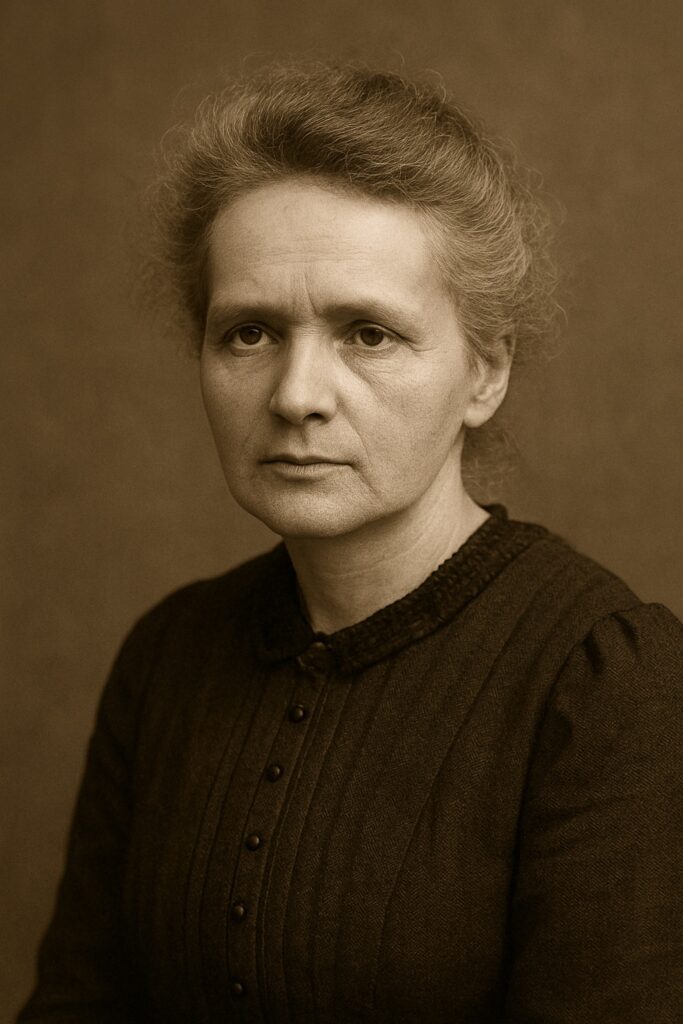
Marie Curie was a Polish-born and naturalised French physicist and chemist who did pioneering research on radioactivity.
She was not only the first woman to win a Nobel Prize but also the first woman to win the Nobel Prize twice and the only person to win a Nobel Prize in two scientific fields. In 1906, she became the first woman to become a professor at the University of Paris.
Together with her husband, Currys discovered two new elements, polonium and radium, which are also radioactive. This research of hers laid the groundwork for the use of radioactive materials in medical treatment, e.g. radiation therapy for cancer.
What a lady, she achieved this much in the early 1900s, a tremendous achievement. I would like to thank her for her contribution to humanity.
Mother Teresa (1910 to 1997)
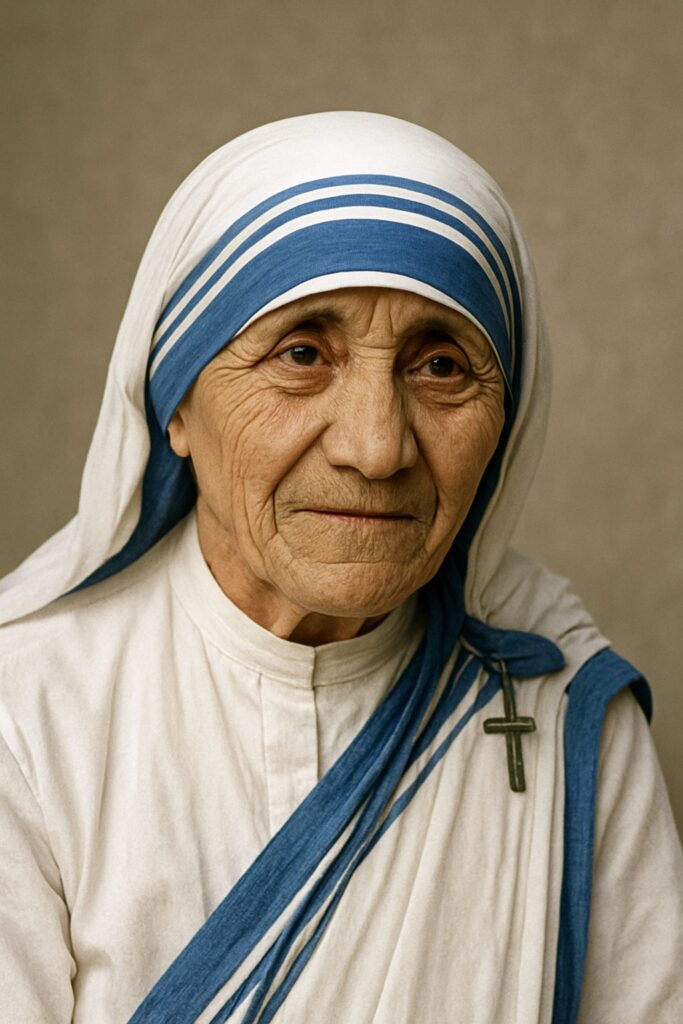
Mother Teresa is considered one of the most recognisable symbols of compassion and humanitarianism in history. Her achievements span decades of advocacy for the poor, hands-on service to the dying and abandoned around the world.
She was the moral voice that challenged both governments and individuals to recognise the dignity of every human life. She was a global icon, her accomplishments were not the result of fame or institutional power but of a personal vocation: to serve “the poorest of the poor” with love, dignity, and presence.
Her legacy is therefore not merely a list of awards but a set of enduring structures, practices, and ideals that continue shaping global humanitarianism.
Mother Teresa was also an influential global advocate for peace and human rights. Her speeches at the United Nations and conversations with world leaders consistently focused on themes of love, poverty alleviation, and the moral imperative to protect vulnerable lives.
She received the Nobel Peace Prize in 1979. The Nobel Committee recognised her “work in bringing help to suffering humanity.” Yet the acceptance of this award served as much more than personal recognition.
She used the United Nations platform to call attention to global poverty, urge governments to prioritise human dignity, and encourage individuals to combat loneliness, isolation, and neglect in their own communities.
Margaret Thatcher, The Iron Lady (1925 to 2013)
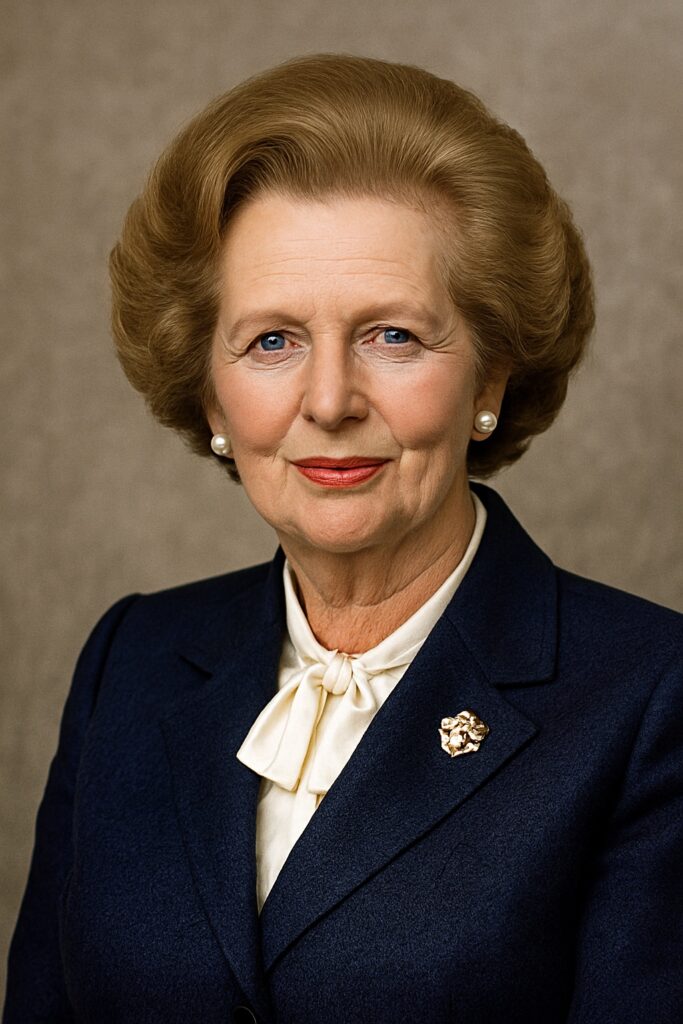
Margaret Thatcher, The Iron Lady, was the Prime Minister of the United Kingdom from 1979 to 1990, and of course was one of the most consequential and controversial political leaders of the 20th century.
Her time at 10 Downing Street reshaped Britain’s economy, political culture, and international standing, leaving a legacy that remains deeply influential decades after her tenure. Thatcher became the first woman to lead a major Western democracy, and her policies forged a distinct ideological framework commonly referred to as Thatcherism.
Her bold decisions for privatisation stand as one of her hallmark achievements. Under her leadership, several nationalised industries were transferred into private ownership, including British Telecom, British Gas, British Airways, and major utilities such as water and electricity companies.
The sale of public assets to millions of small shareholders marked a cultural shift, fostering a more entrepreneurial and investment-oriented society. Whether universally beneficial or not, privatisation fundamentally changed the structure of the UK economy and influenced numerous countries that later followed the British example.
Margaret Thatcher was also working hard to reform the welfare state and public spending policies. She did not dismantle the welfare system, but she sought to reduce dependency, encourage personal responsibility, and limit government intervention.
She introduced measures promoting home ownership, most notably the “Right to Buy” policy, which allowed tenants of council houses to purchase their homes at discounted prices. At the time of writing this article in 2025, “Right to buy” remains very popular.
This policy dramatically increased home ownership rates and contributed to the reshaping of British social identity, aligning more citizens with property-owning, conservative values. Education, healthcare, and local government were also subjected to reforms aimed at improving efficiency, increasing accountability, and limiting public-sector expansion.
Now let’s look at it from an international perspective. Thatcher was a prominent figure in Cold War diplomacy and Western alliance politics. She was a strong advocate of NATO and a close partner of then U.S. President Ronald Reagan. The two leaders shared a commitment to confronting Soviet expansion, expanding free-market principles, and projecting Western strength.
Thatcher’s unwavering stance toward the Soviet Union earned her the nickname “Iron Lady,” originally given to her by Soviet media as a criticism but later embraced as a symbol of her attitude “to get things done”.
She supported nuclear deterrence, backed the deployment of U.S. missiles in Europe, and played an important role in strengthening Western unity.
At the same time, she was intellectual enough to understand that a working relationship with Soviet leader Mikhail Gorbachev was in British interests and famously stated that he was a man she could “do business with,” which helped ease tensions during the later phases of the Cold War.
So it seems we had an “Iron Lady” long before we had an “Iron Man” 😀
Rosalind Franklin (1920 to 1958)
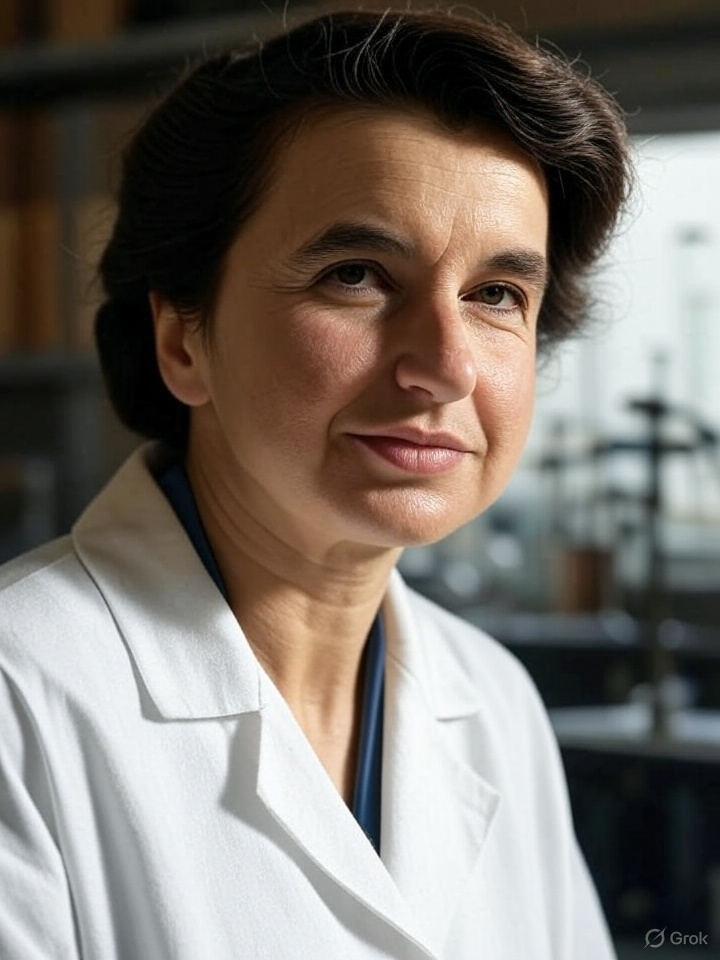
She was a British chemist and x-ray crystallographer. Her work laid the foundation to understand the molecular structure of DNA. She graduated from Cambridge with a degree in physical chemistry in 1941.
Franklin spent the war years at the British Coal Utilisation Research Association (BCURA). Between 1942 to 1946, she carried out groundbreaking work on the microstructure of coals and chars. Using X-ray diffraction, porosity measurements, and density studies, she showed that coal has a complex, porous molecular structure and that these pores determine how gases and liquids are adsorbed.
Her classification of coals by carbon content and pore size became the basis of modern coal grading systems and helped improve gas mask filters and the understanding of carbonisation processes.
In 1947, Franklin moved to the Laboratoire Central des Services Chimiques de l’État in Paris, where she learned advanced X-ray diffraction techniques under Jacques Méré.
This period transformed her into one of the world’s finest crystallographers. She perfected the use of humidity-controlled cameras, fine-focus X-ray tubes, and meticulous sample preparation—skills that later produced the clearest DNA fibre photographs ever taken.
Today, she is remembered as a co-discoverer of DNA’s structure. Institutions named after her include the Rosalind Franklin University of Medicine and Science in Chicago, the Royal Society’s Rosalind Franklin Award, and the European Space Agency’s Rosalind Franklin Mars rover (launched 2030s).
What a lady she was, a tremendous achievement. I would like to thank her for her contribution to humanity.
Katherine Johnson (1918 to 2020)
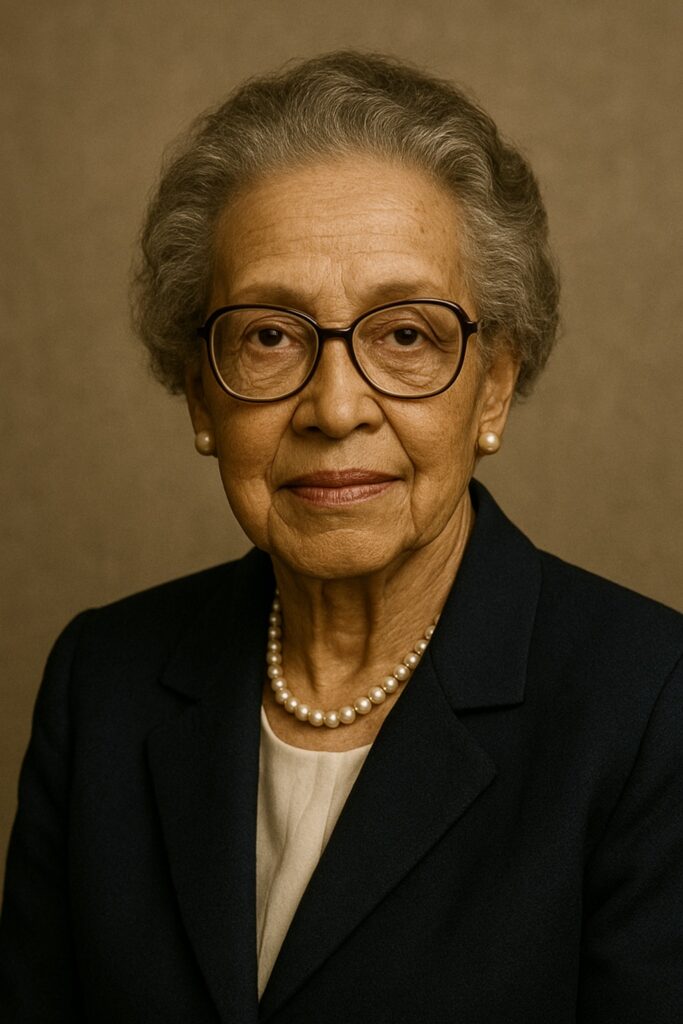
She was an American mathematician whose calculations on orbital mechanics for NASA were crucial to America’s early space missions, including John Glenn’s orbital flight.
She was the first African-American woman to work as a NASA scientist, though her journey to a distinct achievement wasn’t so easy. (Hidden Figures movie shed some light on it)
Johnson’s key work included calculating trajectories, launch windows and emerging return paths for Project Mercury space flight.
In 2015, President Barack Obama awarded Johnson the Presidential Medal of Freedom, though for her it should be called the Presidential Medal of Courage, because in the 1940s and 1950s, it was easy for her to say that she was an African-American woman and do regular stuff of that time, but she refused, and I am glad that she refused.
What a lady, tremendous achievement, I would like to thank her for her contribution to humanity.
Tu Youyou (China)
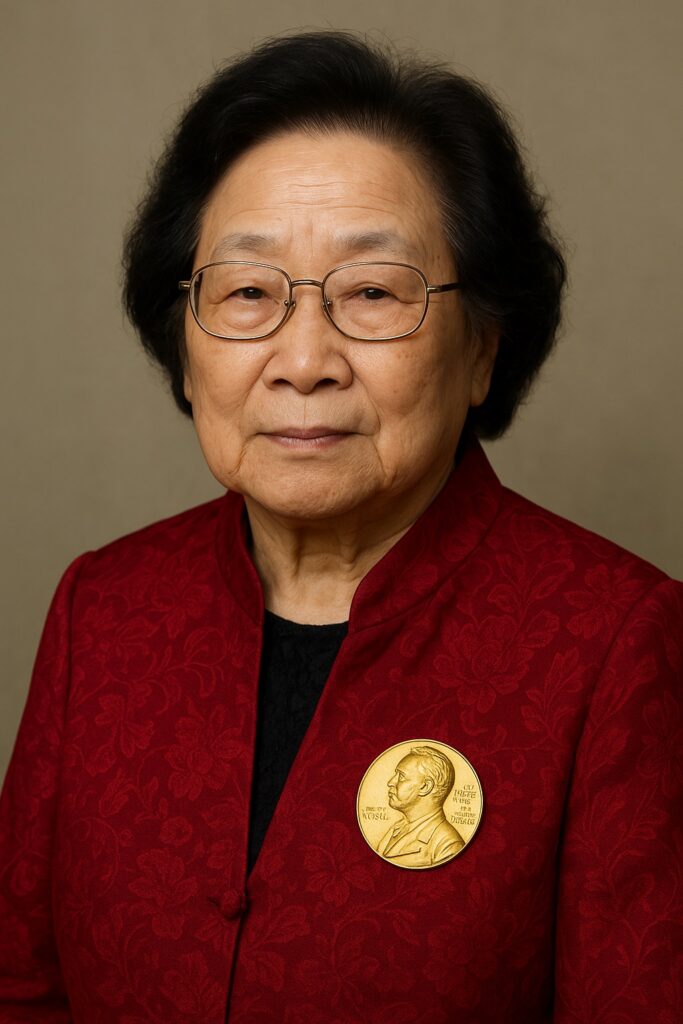
She is a Nobel Prize winner, a Chinese malariologist and pharmaceutical chemist.
She discovered artemisinin, used to treat malaria, a disease which killed millions of people in Asia, Africa, South America, and China. It was a breakthrough medicine of the 20th century which helped to save millions of lives.
What a lady, tremendous achievement. I would like to thank her for her contribution to humanity.
This article is written by Jordan Zaman